






Improving digestion is one of the most effective ways to enhance overall health, energy levels, and long-term wellbeing. While many people focus on supplements or restrictive diets, the simplest solution often lies in choosing foods that naturally support digestive function. Fiber plays a major role in this process because it keeps the digestive system moving, supports gut bacteria, and helps prevent common issues like bloating, constipation, and irregular bowel movements. Whether you are trying to improve gut health, manage weight, or simply feel lighter and more energetic throughout the day, including fiber-rich foods in your routine can make a remarkable difference. This guide explores the top 10 fiber-rich foods for better digestion and explains why each one deserves a place in your daily diet.
Why Fiber Matters for Digestion
Fiber is a type of carbohydrate the body cannot break down. Instead of being absorbed like sugars or starches, it travels through the digestive tract and contributes to smoother bowel movements, balanced gut flora, and improved satiety. Soluble fiber attracts water and forms a gel-like texture that slows digestion and stabilizes blood sugar levels, while insoluble fiber adds bulk to stool and assists with regularity. When both types are consumed through natural whole foods, you experience a healthier digestive rhythm and stronger gut resilience.
1. Oats for a Smooth Digestive Start
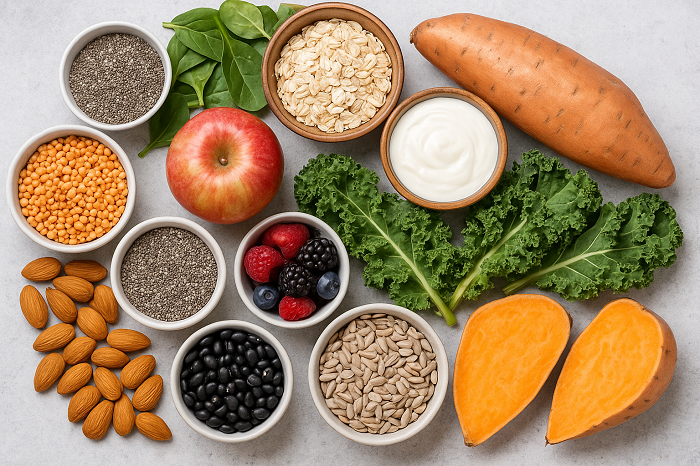
Oats are one of the most recommended breakfast foods for digestion due to their high soluble fiber content, especially beta-glucan. This type of fiber gently soothes the digestive tract, supports gut bacteria, and helps maintain a feeling of fullness that lasts for hours. Oats also have a mild texture that makes them suitable for people with sensitive stomachs. When consumed regularly, they promote smoother digestion and more consistent energy levels throughout the day.
2. Lentils and Legumes for Gut-Friendly Protein
Lentils offer an impressive combination of fiber, plant-based protein, and essential minerals like iron and magnesium. Their rich fiber content improves stool consistency and supports the growth of beneficial gut bacteria. Including lentils in soups, curries, or salads can significantly increase your daily fiber intake and enhance digestive balance. Chickpeas, black beans, and kidney beans fall into the same category and provide similar digestive benefits.
3. Apples for Natural Digestive Support
Apples are packed with pectin, a soluble fiber known for improving stool texture and supporting smooth bowel movements. Pectin also feeds good bacteria in the gut, making apples a natural prebiotic. Eating apples with the skin provides additional insoluble fiber that promotes regularity. Whether eaten fresh, sliced into oatmeal, or blended into smoothies, apples offer a simple way to strengthen digestion.
4. Chia Seeds for Gentle and Effective Digestion
Chia seeds absorb many times their weight in water and expand into a gel-like texture that supports smoother digestion. Their blend of soluble and insoluble fiber helps regulate bowel movements and prevent constipation. Because they are easy to add to yogurt, smoothies, or baked dishes, chia seeds are a convenient choice for anyone looking to increase fiber without drastically changing their diet.
5. Leafy Greens for Gut Cleansing Benefits
Leafy greens like spinach, kale, and Swiss chard provide insoluble fiber that helps material move through the digestive system more efficiently. They also offer magnesium, a mineral that supports muscle relaxation in the digestive tract and helps reduce constipation. Greens contribute hydration, essential vitamins, and antioxidants that collectively foster a healthier gut environment. Regular consumption assists with long-term digestive balance and improved nutrient absorption.
6. Whole Grains for Steady Digestive Rhythm
Whole grains such as brown rice, quinoa, barley, and whole wheat contain both fiber and complex carbohydrates that promote slow, steady digestion. Unlike refined grains, whole grains retain their bran and germ layers, which are rich in fiber and nutrients. Eating them regularly can help stabilize blood sugar, enhance satiety, and support a more consistent digestive pattern.
7. Berries for Antioxidant-Rich Fiber
Berries like raspberries, blackberries, and blueberries supply impressive amounts of fiber for their size along with antioxidants that support overall gut health. Their fiber content helps promote stable digestion, regular bowel movements, and reduced inflammation in the digestive tract. Berries are also low in calories and high in hydration, making them a refreshing addition to meals or snacks that boosts digestive wellness.
8. Nuts and Seeds for Slow Digestion and Satiety
Almonds, walnuts, sunflower seeds, flaxseeds, and pumpkin seeds offer fiber combined with healthy fats and protein. This combination supports slower digestion, prolonged fullness, and improved bowel consistency. Flaxseeds in particular contain soluble fiber and natural compounds that ease digestion and support a comfortable digestive rhythm. Consuming a small handful of nuts or adding seeds to meals can help strengthen gut function over time.
9. Sweet Potatoes for Gentle Fiber and Energy
Sweet potatoes contain both soluble and insoluble fiber, making them ideal for digestion. Their natural sweetness, soft texture, and nutrient density help improve gut movement and maintain digestive comfort. They offer antioxidants and potassium that contribute to better overall digestive health. Sweet potatoes are easy to digest and versatile enough for various dishes, making them a reliable fiber source for all ages.
10. Yogurt with Live Cultures for a Balanced Gut
Although yogurt is not traditionally classified as a fiber-rich food, it plays a vital role in digestive health thanks to its probiotics. These beneficial bacteria support the intestinal microbiome, improve nutrient absorption, and reduce common digestive discomforts. When paired with fiber-rich foods like fruits and oats, yogurt contributes to a balanced digestive system and improved gut resilience.
Conclusion
Healthy digestion is one of the pillars of overall wellness, and the easiest way to support it is by choosing foods naturally rich in fiber and gut-friendly nutrients. Incorporating oats, lentils, apples, berries, leafy greens, whole grains, nuts, seeds, sweet potatoes, and probiotic-rich yogurt into your daily routine helps maintain a strong digestive system and promotes long-term gut health. Small dietary adjustments can lead to significant improvements in energy, comfort, and wellbeing. For more insights on digestive health, recipes, and wellness-focused food guides, continue exploring our Food category for expert-driven resources that support your lifestyle goals.
Frequently Asked Questions
Q1. What is the recommended daily fiber intake for adults
Answer. Most adults should aim for 25 to 30 grams of fiber per day from food sources to maintain smooth digestion and overall gut health.
Q2. Can too much fiber cause digestive issues
Answer. Sudden high fiber intake can lead to bloating or gas, which is why fiber should be increased gradually while staying well hydrated.
Q3. Which type of fiber is better — soluble or insoluble
Answer. Both are essential. Soluble fiber helps stabilize digestion and blood sugar, while insoluble fiber promotes regularity and prevents constipation.
Q4. Are fiber supplements as effective as whole foods
Answer. Supplements can help, but whole foods offer additional nutrients, antioxidants, and natural compounds that support digestion more completely.
Q5. What time of day is best to eat fiber-rich foods
Answer. Fiber can be consumed throughout the day, but starting with a fiber-rich breakfast helps maintain digestive balance and steady energy levels.