







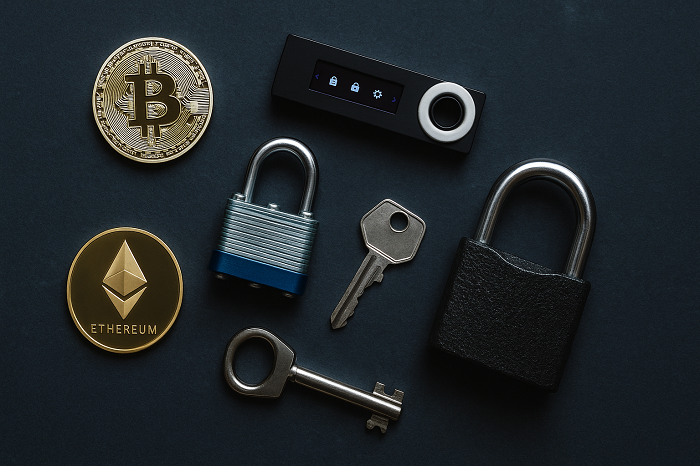
In the fast growing world of digital assets, keeping your crypto safe has become one of the most important responsibilities for every user. As the popularity of cryptocurrencies increases, so do the threats that target investors, traders, and long term holders. From exchange breaches to phishing attacks and wallet vulnerabilities, the risks can feel overwhelming. The good news is that protecting your digital wealth is absolutely possible with the right knowledge and security practices. This guide explores the top 10 ways to keep your crypto safe in a detailed, practical, and easy to understand format so that you can navigate the crypto landscape with confidence and complete control.
1. Understanding Why Crypto Security Matters
Cryptocurrency operates on decentralized networks, which means no bank or government is responsible for safeguarding your funds. This independence gives users full ownership, but it also places full responsibility in their hands. Once crypto is stolen, it is almost impossible to recover, making strong security practices essential. As the value of assets stored on blockchains continues to increase, attackers have become more sophisticated, making effective protection more important than ever.
2. Use Hardware Wallets for Maximum Protection
A hardware wallet remains the strongest line of defense for anyone holding crypto for the long term. These physical devices store private keys offline, keeping them away from hackers who target online systems. By isolating your keys from computers and the internet, hardware wallets ensure that even if your device is compromised, your assets remain protected. For high value portfolios, cold storage is no longer optional but an essential foundation for digital asset security.
3. Enable Two Factor Authentication on Every Account
Two Factor Authentication adds an extra layer of protection by requiring both something you know and something you have to log in. This added step significantly reduces unauthorized account access, especially on exchanges and wallet apps. The best choice is authenticator apps which are more secure than SMS based codes. When combined with strong, unique passwords, 2FA forms a powerful barrier that blocks the majority of account takeover attempts.
4. Beware of Phishing Attacks and Fake Websites
One of the most common ways users lose their crypto is through phishing scams that trick them into sharing seed phrases, login information, or sensitive details. These scams often appear as emails, pop up advertisements, or messages pretending to be official support. Always verify website URLs, avoid clicking suspicious links, and remember that no legitimate service will ever ask for your private keys or recovery phrase. Developing a habit of checking twice before interacting with any crypto related site or message can prevent devastating losses.
5. Use Secure and Private Internet Connections
The internet connection you use has a direct impact on the safety of your crypto transactions. Public Wi-Fi networks expose users to risks like man in the middle attacks, where malicious actors intercept data flowing between you and the website. Always use private, encrypted internet connections and consider adding a trusted VPN for an additional layer of protection. Securing your network environment ensures your actions remain confidential and shielded from attackers.
6. Keep Your Private Keys Offline and Never Share Them
Your private key or recovery phrase is the ultimate access point to your cryptocurrency. Anyone who obtains it has complete control over your funds, making it the most sensitive information in your digital life. Storing private keys offline, writing them on paper, or keeping them in encrypted hardware devices ensures they remain inaccessible to attackers. You should never, under any circumstance, share your private keys with anyone, including customer support or online platforms.
7. Diversify Where You Store Your Crypto
Keeping all assets in a single wallet or exchange increases the impact of a potential security breach. Diversifying storage between hardware wallets, trusted exchanges, and offline backups reduces risk and improves overall safety. This strategy ensures that even if one system is compromised, the majority of your assets remain protected. Spreading your holdings also allows you to adapt to different security needs depending on whether the funds are for trading, saving, or daily use.
8. Regularly Update Wallets, Apps, and Devices
Security vulnerabilities are often discovered and patched through updates. Using outdated software exposes you to risks that developers may have already fixed. Keeping your wallet apps, browser extensions, antivirus tools, and device operating systems updated ensures you always have the latest protection. Regular maintenance of your digital environment is a simple yet powerful habit that keeps hackers from exploiting known weaknesses.
9. Choose Reputable Exchanges with Strong Security Histories
Not all crypto exchanges are created equal. Some platforms offer advanced security measures, insurance policies, and transparent audit systems, while others lack proper protection and have a history of breaches. Before depositing your money, research the exchange’s security features, user reputation, and past incidents. A reliable exchange reduces the risk of losing funds to hacks and gives you greater confidence while trading.
10. Use Multi Signature Wallets for Added Protection
Multi signature or multisig wallets require approvals from multiple private keys before transactions can be completed. This creates a collaborative security structure that makes unauthorized access extremely difficult. Businesses, partnerships, and long term holders often use multisig wallets to increase protection and reduce the chances of mistakes, theft, or internal misuse. It is a powerful option for users seeking advanced control over their digital assets.
Conclusion
Keeping your crypto safe requires a combination of secure tools, smart habits, and continuous awareness. As digital assets continue to evolve, so do the strategies used by attackers, making proactive protection more important than ever. By following the top 10 ways to keep your crypto safe, you can confidently navigate the world of cryptocurrency with much stronger control over your financial future. Crypto security is not a one time task but an ongoing commitment, and with the right knowledge, you can significantly reduce risks and protect your investments for the long term.
Frequently Asked Questions
Q1. How do I protect my crypto from hackers
Answer. You can protect your crypto by using hardware wallets, enabling 2FA, avoiding public Wi-Fi, and never sharing your private keys under any circumstances.
Q2. Is keeping crypto on an exchange safe
Answer. Exchanges offer convenience but are not the safest place for long term storage. For maximum protection, transfer funds to a hardware wallet.
Q3. What happens if I lose my private key
Answer. Losing your private key means losing access to your funds permanently. It is important to store it securely offline in multiple safe locations.
Q4. Are hardware wallets worth the cost
Answer. Yes, hardware wallets provide the highest level of protection by keeping your private keys offline, making them essential for anyone holding crypto long term.
Q5. Can a VPN make crypto transactions safer
Answer. A VPN adds an extra layer of encryption that hides your online activities, making your connection more secure while transacting with crypto platforms.